Amla Beet Kanji Recipe: Daisy's Gut Drink for Skin and Hair

Prefer to watch? Open the full video on YouTube.
Daisy makes amla beet kanji, a sun-fermented drink of amla, beetroot, turmeric and mustard, and explains why she believes it calms the gut and helps skin and hair.
Key takeaways
- Daisy calls kanji a non-negotiable part of her daily routine, and links it to her weight loss and clearer skin.
- She uses filtered or boiled-and-cooled water, a wooden spoon and a cloth cover, never chlorinated tap water or metal.
- The jar sits in sunlight for 3 to 4 days in hot weather, and 5 to 6 days in cooler places.
- Stir once a day, or twice in hot, humid weather, so no mould forms on top.
- Drink it first thing in the morning on an empty stomach. Two or three days a week is enough.
- Daisy says to skip this version if you have high blood pressure, because it uses salt.
Amla beet kanji
You need
- Half an inch of fresh turmeric
- Half an inch of fresh ginger
- Half a green chilli, slit in two so the seeds go in (optional, if you tolerate spice)
- 1 amla, chopped
- Half a beetroot, chopped lengthwise
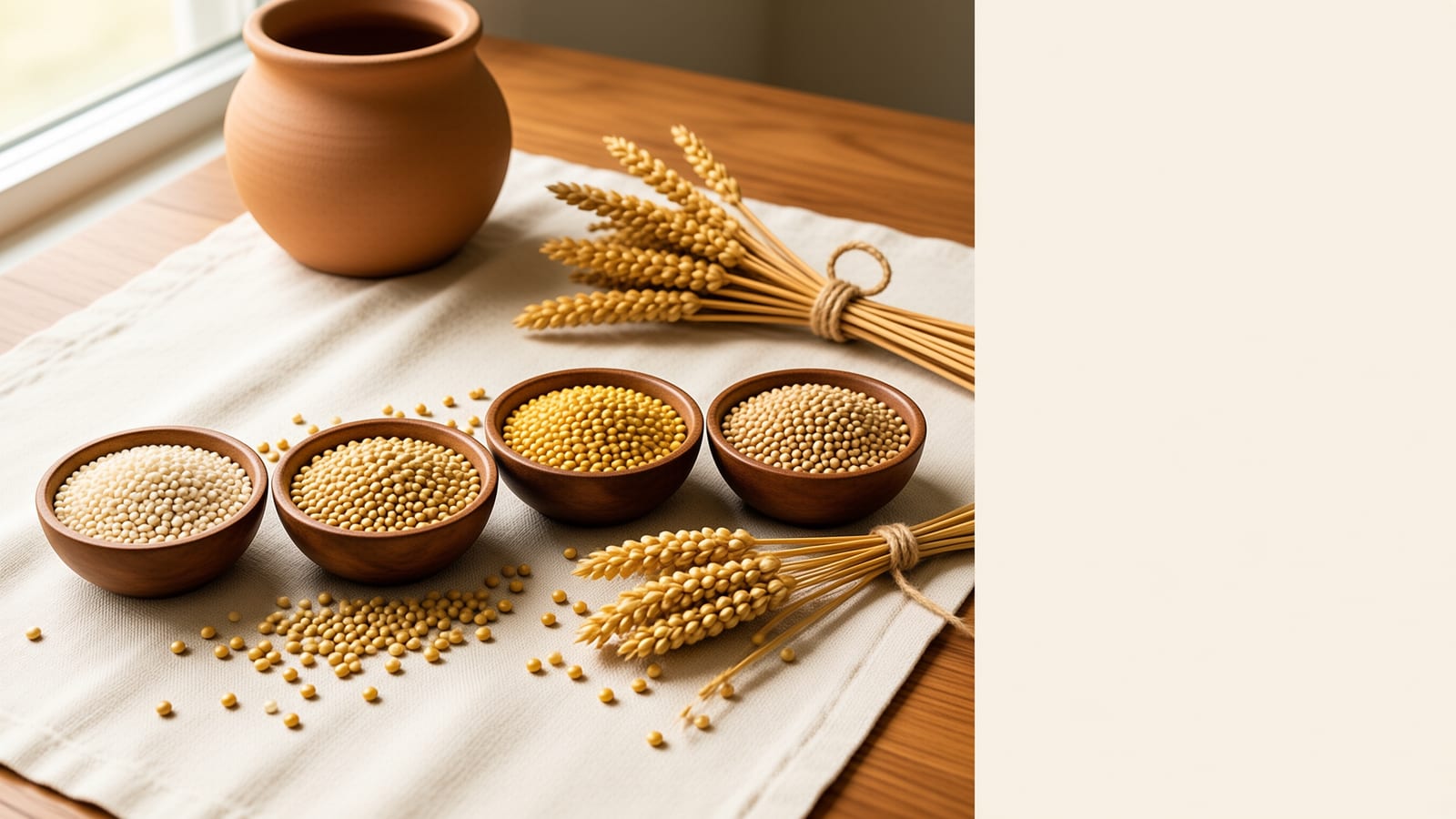
- 1 and a half tablespoons of coarsely crushed yellow mustard seeds (black ones also work)
- A little more than half a teaspoon of black salt
- 2 cups of filtered, or boiled and cooled, water
- Optional: a pinch of hing (asafoetida) in colder places
Method
- Put the turmeric, ginger, green chilli, amla and beetroot into a clean transparent glass jar.
- Add the crushed mustard seeds and the black salt.
- Pour in the 2 cups of filtered or boiled-and-cooled water.
- Stir well with a wooden spoon until the salt dissolves. Do not use a metal spoon.
- Cover the mouth of the jar with a cotton or muslin cloth and secure it with a rubber band.
- Keep the jar where it gets plenty of sunlight. Stir once a day, or morning and evening if it is hot and humid.
- After 3 to 4 days in hot weather (5 to 6 in cooler places), taste it. It is ready when the salt has mellowed and it tastes pleasantly sour.
On this page (8 sections)
If your skin keeps breaking out, your hair is thinning, or you always feel bloated and low on energy, Daisy would ask about your gut first. She had years of painful acne and was, in her words, very overweight. Kanji, a traditional Indian fermented drink, is what she says finally changed her skin and her energy. This recipe is her amla beet version, made in a jar on the windowsill in about five minutes.
Why Daisy drinks kanji every day
Daisy says she was eating right and exercising, but only started to look leaner after adding kanji. She realised much of what she had thought was fat was actually bloating. She also felt more energetic through the day and could work out for longer.
Her skin story is just as strong. She had deep, pitted acne, and dermatologists gave her contraceptive pills. They calmed the acne for a while, but it came back as soon as she stopped. Kanji, she says, was the missing piece, and things changed dramatically once she added it.
What the gut has to do with skin and hair
Daisy explains that an imbalanced gut causes inflammation, and she links that inflammation to acne, redness, dullness and uneven skin tone. She adds that hormones can also play a part. Her view is that when the gut is looked after, many other things in the body settle.
She says the same applies to hair. If your gut cannot absorb nutrients, even the best hair supplement is, as she puts it, “expensive urine or stool”. She believes hair fall reduces for most people once the gut settles. She goes further and suggests working on the gut for a few months before trying more complicated solutions for brain fog, mood swings, dandruff, UTIs or low immunity.
How to make amla beet kanji
The full list and steps are in the recipe card above. These are the points Daisy stresses.
- Mustard seeds. She says they carry wild yeast and bacteria that kickstart fermentation, and that they stimulate digestive enzymes, which means less bloating.
- Black carrot. The traditional recipe uses black carrot. If you can find it, Daisy says to use it, as it is rich in antioxidants. She uses beetroot because black carrots are rare where she lives.
- Water. Chlorinated tap water can kill the helpful bacteria before fermentation gets going, so use filtered, or boiled and cooled, water.
- Spoon. Use a wooden spoon only. She says metal interferes with fermentation.
- Sunlight. Heat is the most important catalyst, so keep the jar in a sunny spot.
- Hing. In colder parts of north India, Daisy suggests adding a little hing for extra warmth. She skips it in Mumbai.
Is kanji better than a probiotic supplement?
Daisy believes fermented kanji has a better chance of surviving stomach acid than synthetic capsules do. The choice is partly about mindset for her. She would rather take something natural, with live bacteria and their food together, than something dried and put in a capsule. Supplements are there, in her view, for the days when you cannot make kanji.
She also says most doctors do not ask about your gut, because they tend to focus on one organ. Her suggestion is to fix the basics first, then move to something more complex or costly if you still need to.
What does kanji taste like?
Daisy compares the look to wine, since it is fermented too, though she says the taste is different. It is tangy, salty and sour, the chatpata flavour many Indians know from street snacks. She says most healthy things taste like medicine, but kanji is the exception, and you may get addicted to the taste.
How to know it is ready
Daisy says there is no fixed number of days, because weather decides. Taste it after 3 days. The salt should have reduced, and the drink should taste sour and “very yummy”. Once you have fermented it once or twice, you will know your own timing.
Stir daily without fail. She calls this mandatory to keep mould off the top. In hot, humid weather, stir morning and evening.
Do not throw away the beetroot. Daisy says it works like a fermented pickle, and feeds the bacteria in your gut. Eat the amla too if you like the taste. She does not, so she discards it.
What research says
Daisy’s gut claims come from her own experience and from Ayurvedic practice, and kanji itself has not been studied much. There is some wider evidence. A 17-week randomised study at Stanford, with 18 healthy adults per group, found that a high-fermented-food diet steadily increased gut microbiome diversity and lowered inflammatory markers. It did not test kanji.
Amla has been reviewed in the lab. A 2022 review reports that it is rich in vitamin C and polyphenols, with antioxidant activity, and calls the early results promising. Research on people is still limited.
Daisy’s tips
- Drink it first thing in the morning on an empty stomach, or before meals.
- You do not need it daily. Two or three days a week is fine, and fewer is also fine. Daisy has it every day.
- Use a clear glass jar, or an unglazed mud pot with a cloth cover. Never seal it with a tight lid.
- If you have high blood pressure, skip this recipe, since it has salt. If you take medicine for this, keep your doctor in the loop.
- Fermenting can be tricky in different climates, so change the days to suit your weather.
Daisy shows every step in the video above. It takes about 12 minutes.
Questions people ask
What is amla beet kanji?
It is a fermented drink made with amla, beetroot, fresh turmeric, ginger, mustard seeds and black salt in water. Daisy ferments it in a jar in the sun for a few days and drinks it as a gut-friendly tonic.
How long does kanji take to ferment?
Daisy says it depends on your weather. In hot places like Mumbai it takes about 3 to 4 days, and in cooler places at least 5 to 6 days. Taste it: it should be sour and less salty than when you started.
When should I drink kanji?
Daisy drinks it first thing in the morning on an empty stomach. She says you can also have it before meals, to prepare the gut for food.
Can I drink kanji if I have high blood pressure?
Daisy says to skip this particular recipe if you have blood pressure issues, because of the salt. She plans to share lower-salt gut recipes. If you take medicine for this, keep your doctor in the loop.
Can I make kanji in a mud pot instead of glass?
Yes. Daisy says an unglazed mud pot gives a more earthy flavour and she prefers it, but she avoids shiny glazed pots. Cover it with cloth, not a lid.
Further reading
This article shares Daisy's personal experience and traditional Ayurvedic knowledge for general information. It is not medical advice. Talk to your doctor before changing medicines or treating a health condition, and patch-test anything new on your skin. Read the full disclaimer.
Watch Daisy explain it
The full video shows every step, in about 12 minutes.